
This is my review of the GFX100RF. I tend the find some of the early reviews of the camera tend to be a little less critical, overly nice, perhaps due to chasing. referral links or perhaps not enough time using the camera. I have no interest in keeping Fujifilm or my non-existent referral link account happy so hopefully this will be something more balanced.
I haven’t actually got out with it much so hopefully as I get some more time with it, I can expand the selection of photos.
Introduction
I’ve been wanting to downsize for a while but I feel the right camera just wasn’t available. The X100V was great, but still a little limiting. I was looking at the Q3, but had decided to hold of for the Q4 as I just felt the Q3 wasn’t there. Leica has always lagged in some areas like autofocus.
When the Fujifilm GFX100RF was announced, I’ll admit I was one of those disappointed with the specs, in particular the lens, and what looked like an almost perfect camera. After some time thinking, I decided to try understand whether I had got it wrong by giving it a go. My view was to look at a Q4 if the GFX100RF didn’t do what I was expecting.

What’s in the box
In the box you’ll find the following:
- Camera
- Battery
- charging cable
- Lens cap and ring attached to the camera
- Square hood and cap
- Filter ring
- Protective filter
- Strap
- Manual.
There is a charging cable in the box but no charger. You’ll have to charge the battery by plugging in camera. If you want to change a spare battery, you’ll have to swap batteries or buy a Fujifilm dual charger. I think for the price of the camera, a $70 dual charger could have been included.
Construction and Aesthetics
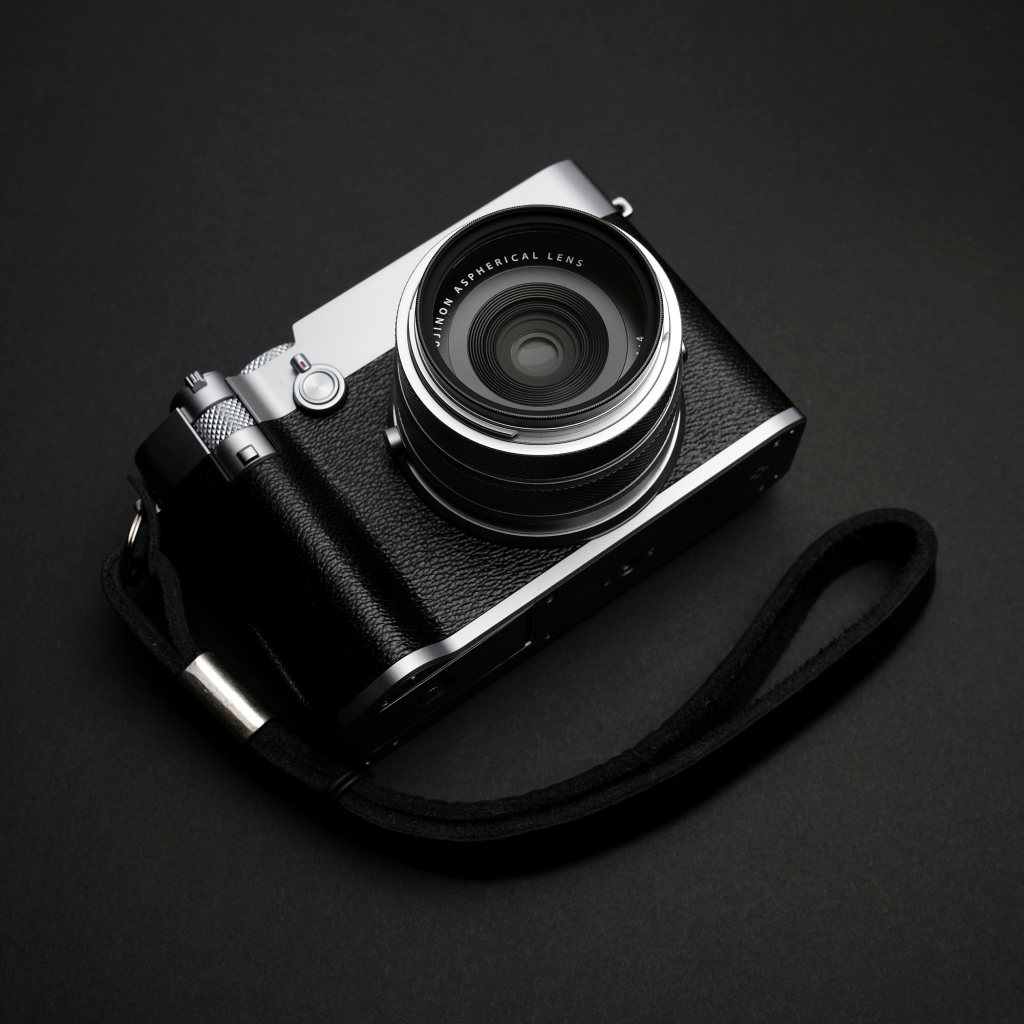
The construction is impeccable. It’s an all metal construction, and feels solid and robust. I don’t think I found anything that feels cheap on the camera.
The buttons are solid, and have a good tactile feel. The dials are rigid and stiff. It’s clear that Fujifilm hasn’t cut cost across the board and the inclusion of a high quality filter is a nice touch.
Inside the camera, the specs have not been spared either. You’re sitting with 100MP medium format sensor, leaf shutter, a really high quality EVF, ND filter, dual card slots, the list goes on.
The design on the GFX100RF is really beautiful. It’s a good looking camera. I have the silver and it is one of those unique cameras where both the black and silver look equally good. It’s Leica-like and it should be for the price.
Better yet, it looks good in both the compact and square hood configurations which is a big surprise. That’s like dating someone who looks just as good without their makeup on. What I also like is that have designed the hood to be a bayonet style configuration making it is to get on and off.
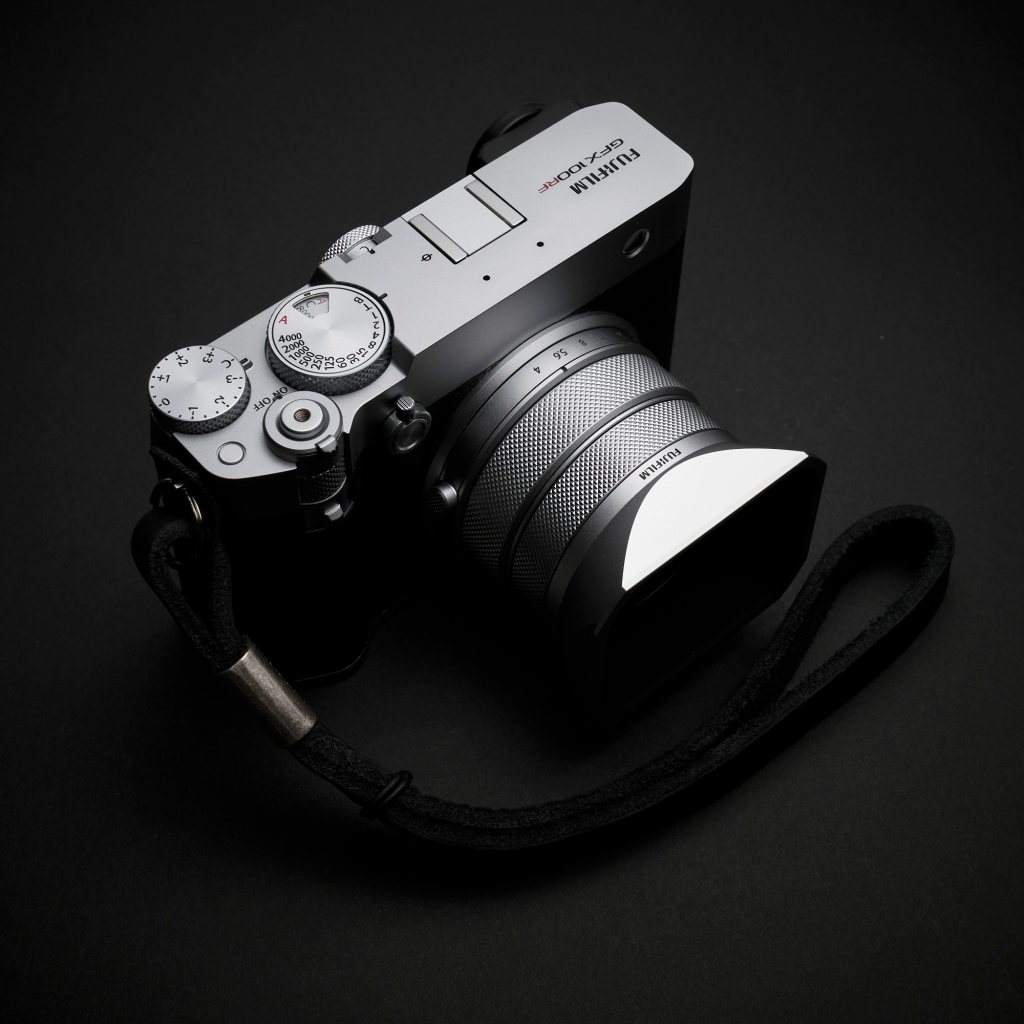
As far as design and aesthetics go, there are two misses for me:
Fujifilm have two versions of the protective filter, one in black and one in silver. Fujifilm have two versions of the GFX100RF, the black, and one silver. You get where I am going with this? You think Fujifilm thought to provide the silver filter with the silver camera? Nope. It’s black. That’s the kind of thing Leica wouldn’t miss and it’s the kind of thing Fujifilm shouldn’t have missed here. It should be a learning for Fujifilm, the moment you jump to a higher price range, you will be held to a higher standard.
Secondly, the filter configuration doesn’t allow you to use the short configuration lens cap. What this means is that switching between the square hood and short configuration will not allow you to use a protective filter. This would have been easy to fix by keeping the ring of the filter adapter the same size as the focus ring.
The framing dial
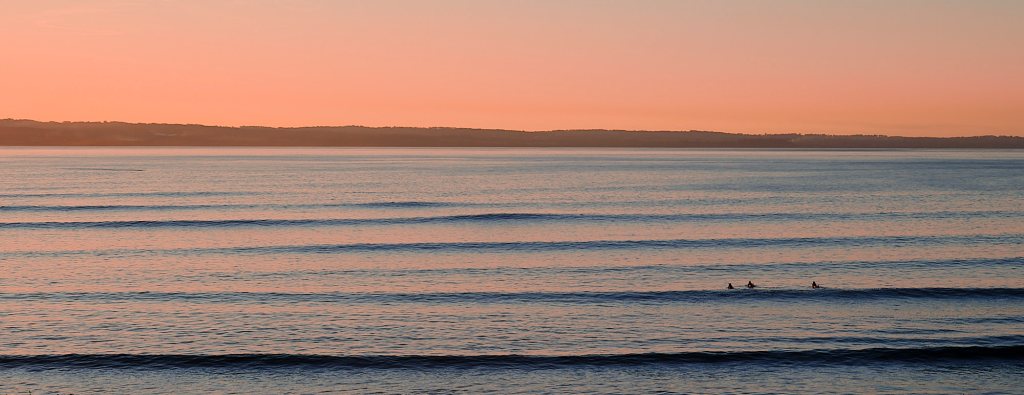
This is something different to most cameras so I thought I’d cover it separately. I wasn’t 100% sure what I would think of the framing functionality. I haven’t shot with anything like this before so the question of novelty vs functionality was there.
After 3 months, I’ll say that it isn’t novelty. It’s actually a really functional way to shoot and understand whether a photo style will work. It’s not different to shooting with the film style as black & white.
It has changed the way I take photos because I’d say in some respects I’d been lazy in the past, because I knew I would be post processing, but now I try to do a better job in camera.
one of the benefits of this approach is also being able to dump the raw files early. When you’re sitting with file sizes that are 200MB, you want to be minimizing’ where you can.
Ergonomics & Usability
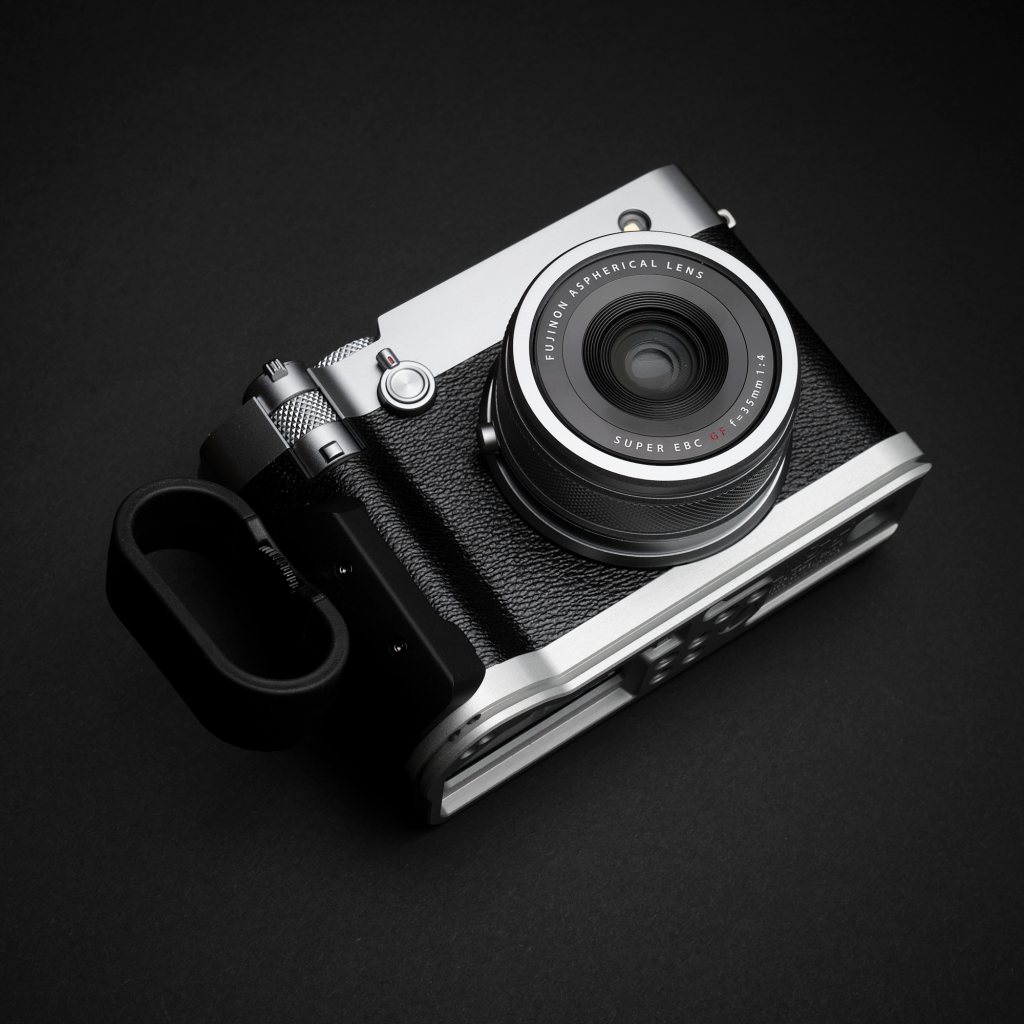
The GFX100RF is good in the ergonomics area, but certainly not to the level I would expect from a camera in this price range.
It was a little bit of a surprise for me. I think they could have done a lot better, particularly in front of the right hand.
The GFX100RF isn’t a light camera at 750 grams. It’s not heavy but there is enough weight on it that you need to grip it in more. Given the bus sticks out, I don’t know why they tried to make it that thin. They didn’t need to. If it was aesthetics, it’s a poor compromise. The Q3 works with this design because it doesn’t have as many buttons as the GFX100RF.
I have purchased an IDS grip plate to help it extend it to a deeper grip. I’m not a fan of grip plates, but in this case, I’ve found it necessary.
On the usability front, I feel the one gap with Fujifilm is the approach to the front and rear dial. If you’re using the actual dials for manual mode, it works well, but if you want to use the front and rear dial, it’s a little convoluted. As an example, Fujifilm uses C for compensation and Iso but no such option exists on shutter or aperture. So if you want to use front and rear dials Aperture goes to A, but A doesn’t work on Shutter, you have to use T, and on exposure compensation, you’re using C? Three different values on different controls for what is the same outcome.
Image Quality

I’ll address the sensor and lens quality in one go here, as they are intricately tied. Despite how critical I have been for some areas of the camera, this is one I can not fault.
The image quality is incredible, even wide open at f/4 and even better stopped down. It’s an impressive feat with what Fujifilm did with the lens and sensor in this camera.
It’s hard to believe something this size can put out the image quality it does at 100MP. This photo shows the level of cropping capability that allows pseudo macro capability. Whilst not true 1:1, it’s not that far off.
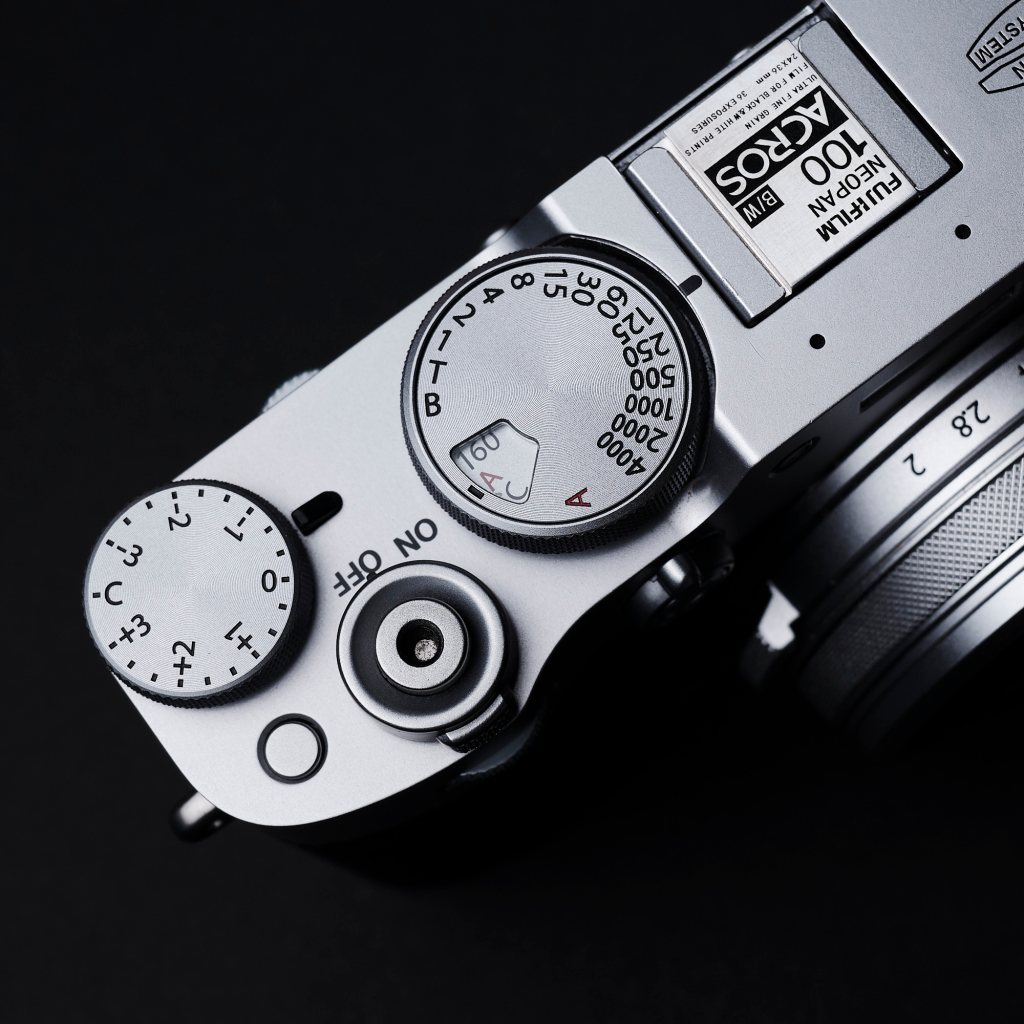
The crop is still very respectable, providing crops that most people wouldn’t expect from a non-macro lens. This is one of the key benefits of working with a 100MP sensor.

Autofocus
I wasn’t expecting much given the EFX range hasn’t exactly been renowned for class leading autofocus.
I was however pleasantly surprised by the autofocus on the GFX100RF. It’s not going to compete in the autofocus olympics but it feels like a big improvement on my X100V.
I know people will be quick to point out that it still isn’t very fast. It’s worth reminding people that it is medium format.
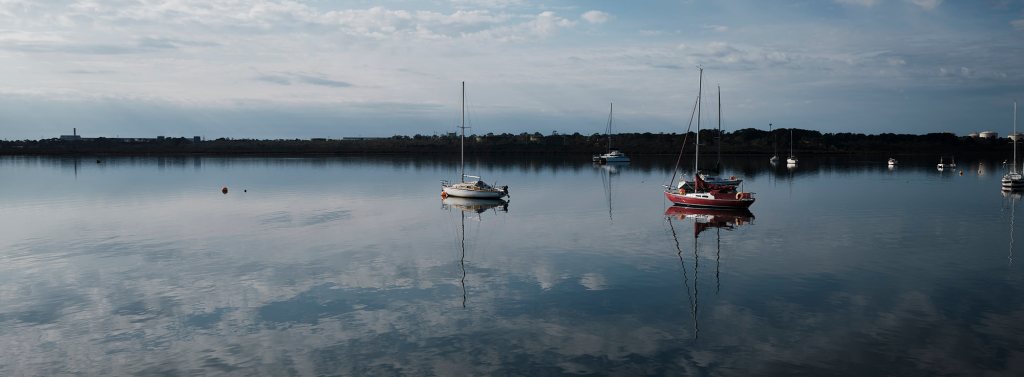
Where it is a bit limiting is in low light. The autofocus is very slow when lighting is low forcing the camera to hunt and miss focus. I’d recommend switching to single focus in these conditions but I would avoid indoor sports.
Low light
This was my one concern up front and I started writing this section of the review talking about how dismal the low light performance was on GFX100RF. It was really disappointing, and I kept thinking to myself that I couldn’t remember f/4 being that bad in low light.
It turns out I was wrong, it isn’t nearly as bad as I thought. It’s about 3 stops better to be exact. From that statement, you might have no guessed what the problem was. When I was playing around with my camera setup, I inadvertently set the ND filter to on, and somehow didn’t notice the little ND on the right side of the frame of the camera. You can only imagine what a f/4 lens with 3 stop ND filter is like at night indoors. It’s not great. It’s like shooting at f/11!
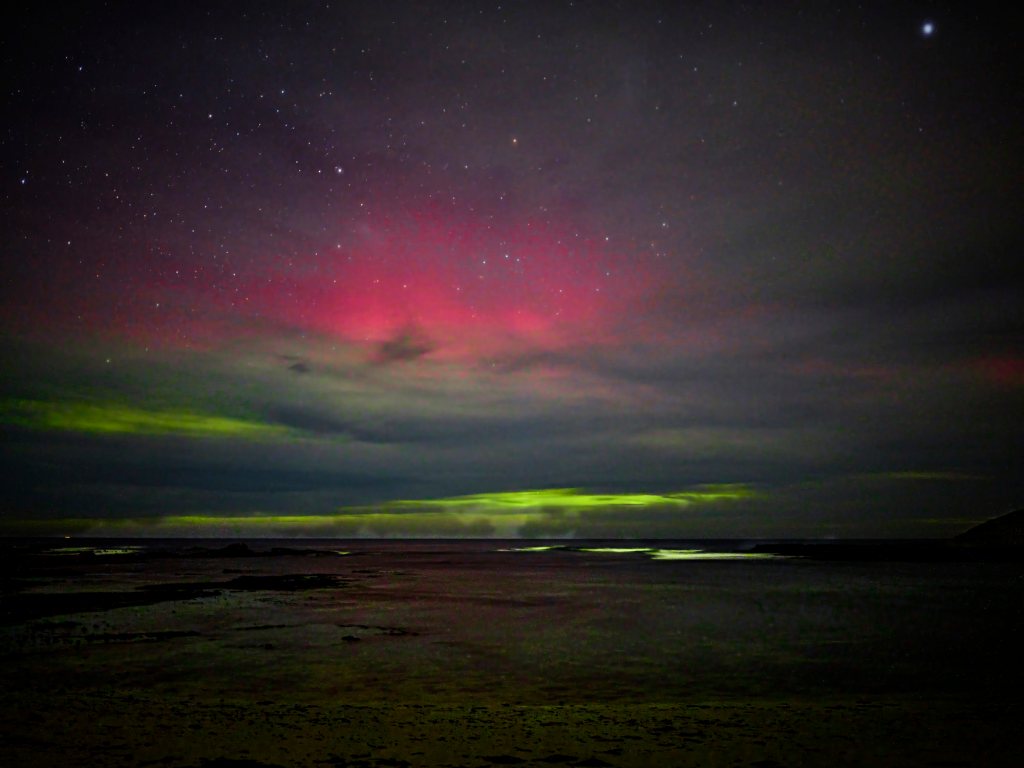
This is a photo of the Aurora Australis shot at ISO3200. Bit of a cloud night so not ideal, it’s not going to match a specialist low light camera, but it’s not terrible.
Working with 100 MP file sizes
I had some concerns about what it would be like working with the 100MP file sizes. Let’s put this into perspective: It’s a 200MB raw file. It’s a lot better than I expected. I’m using a 2024 MBP and it has no issues processing the raw files in capture one. The only area I have noticed lag is with Topaz Denoise when doing noise reduction.

Conclusion
I may have been critical, but it’s a good camera. Its fun, producing amazing imagine quality but it’s certainly not perfect. I think this is one of those cameras I hope is successful so we see a version two, because I think the version 2 will fix many of those issues.
Recommended Accessories
1. Godox IT30 Pro – with the lack of internal flash and f/4 aperture, you will need a flash, and a big full sized flash like the Godox V1 or Fujifilm 60 doesn’t fit the bill. It’s not out yet, but if you’re buying the GFX100RF, I’d recommend this.
2. Grip plate – If you aren’t happy with the stand grip, the IDS grip plate is great. The finger loop version completes the package, although the Leica finger loop is stupidly expensive for what it is.
 Once upon a GFX